Pink Pepper Adulteration
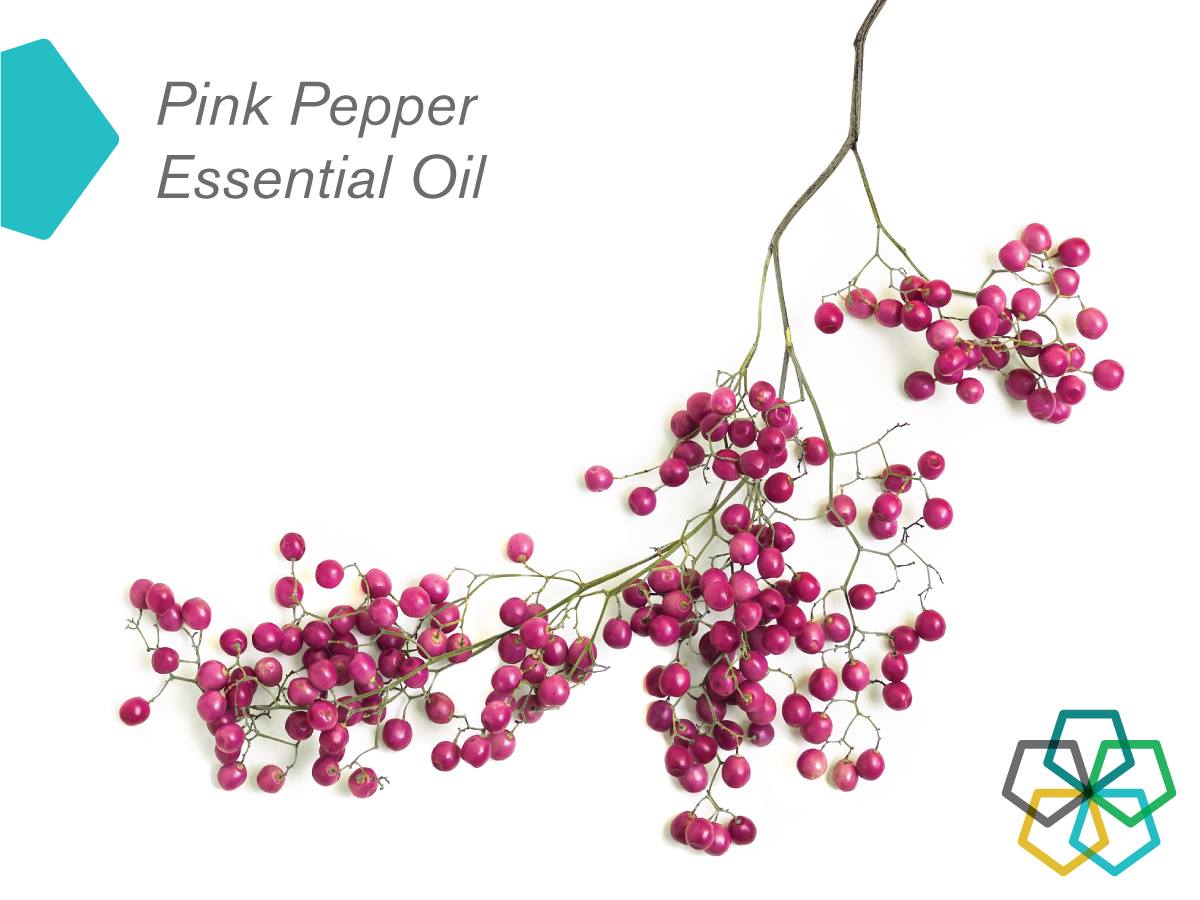
Apr 5, 2021 📙 2 min readAs a newer oil, pink pepper has not been fully explored. Adulteration methods up to this point are rare and fairly unsophisticated, such as mixing in carrier oils. Pink pepper, which is normally distilled from the berry of the Schinus molle plant, can be adulterated with the leaves of the plant. It is possible to either add the leaves in with the berries at the time of distillation, or mix the berry oil with the leaf oil. Both methods create a higher volume of oil.
Pink pepper is a monoterpene type plant. Its main components are alpha-pinene, sabinene, beta-pinene, delta-3-carene, alpha-phellandrene, beta-phellandrene, and limonene. All of these components are easily available commercially, either by naturally-derived chemical synthesis or fractionally isolated essential oils. At a relatively cheap price, these constituents can be bought and mixed together rather than distilling the actual plant.
Adulteration can happen at any level of the supply chain and happens fairly frequently. It is estimated that 80% of the oils on the market are adulterated in some way. This is why it is extremely important to choose a distributor who has a reliable third-party tester to test every batch of oils.