Cannabinoids 101
June 6, 2021 📙 1 min read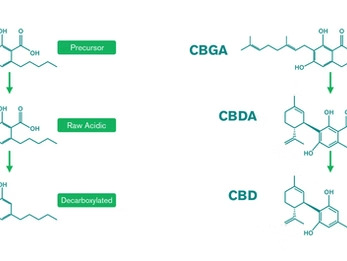
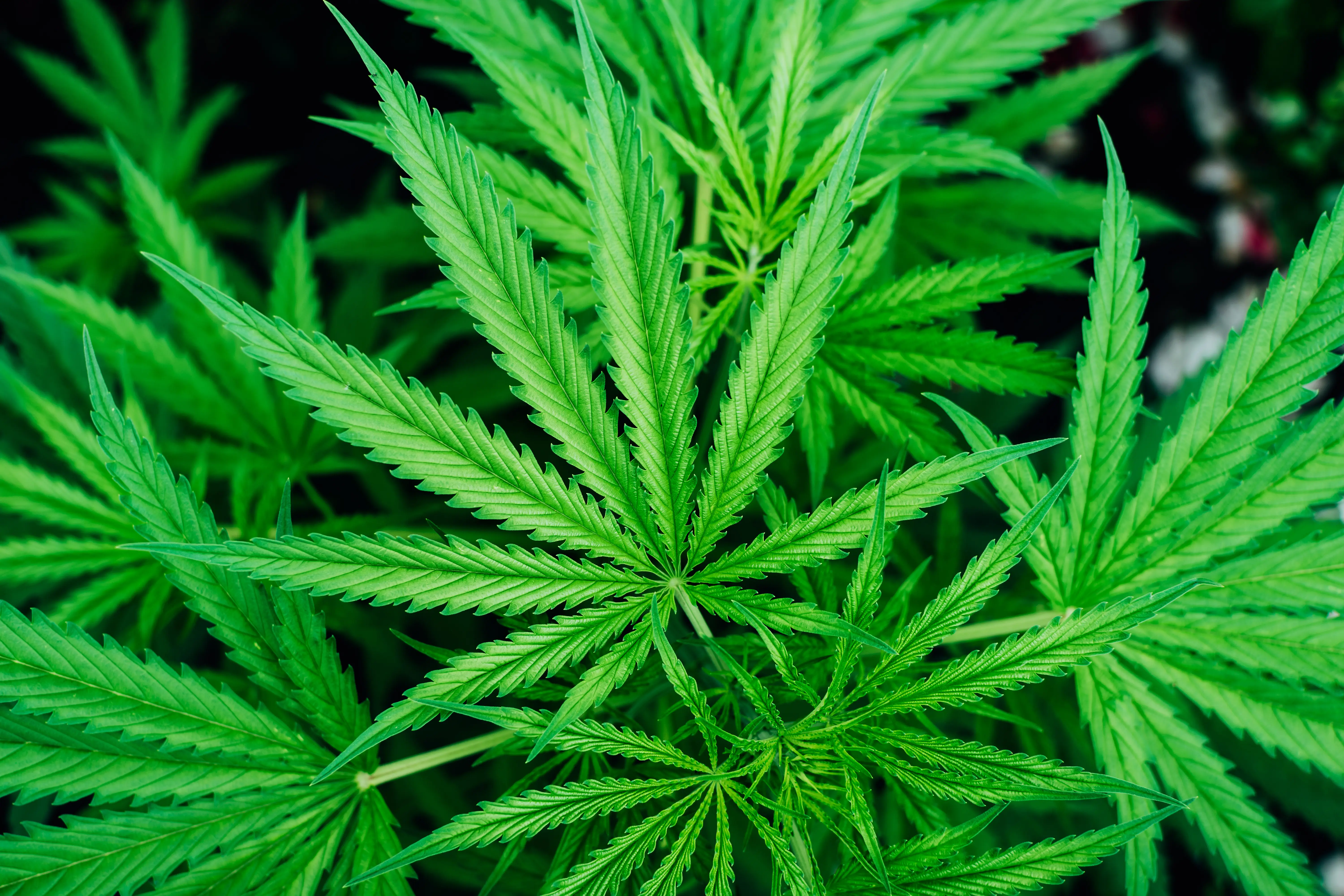
Cannabinoids (often called phytocannabinoids when they come from plants) are a group of compounds found in cannabis that can interact with the body’s endocannabinoid system (ECS). The ECS is involved in regulating everyday functions like mood, sleep, appetite, and pain signaling—one reason cannabinoids have attracted so much scientific and cultural attention.
Cannabis makes hundreds of compounds, but only a small portion have been studied in depth. Two of the most recognized cannabinoids are CBD (cannabidiol) and Δ9-THC (delta-9-tetrahydrocannabinol).
CBD is widely known because it does not produce an intoxicating “high” and has been broadly commercialized following the 2018 federal changes that legalized hemp (with specific regulatory limits). Many consumers look to CBD products for general wellness support, although research is still evolving across different use cases.
Δ9-THC is the primary intoxicating cannabinoid associated with psychoactive effects. While many states have adult-use and/or medical cannabis programs, Δ9-THC remains federally restricted in the U.S., creating an uneven regulatory landscape across jurisdictions.
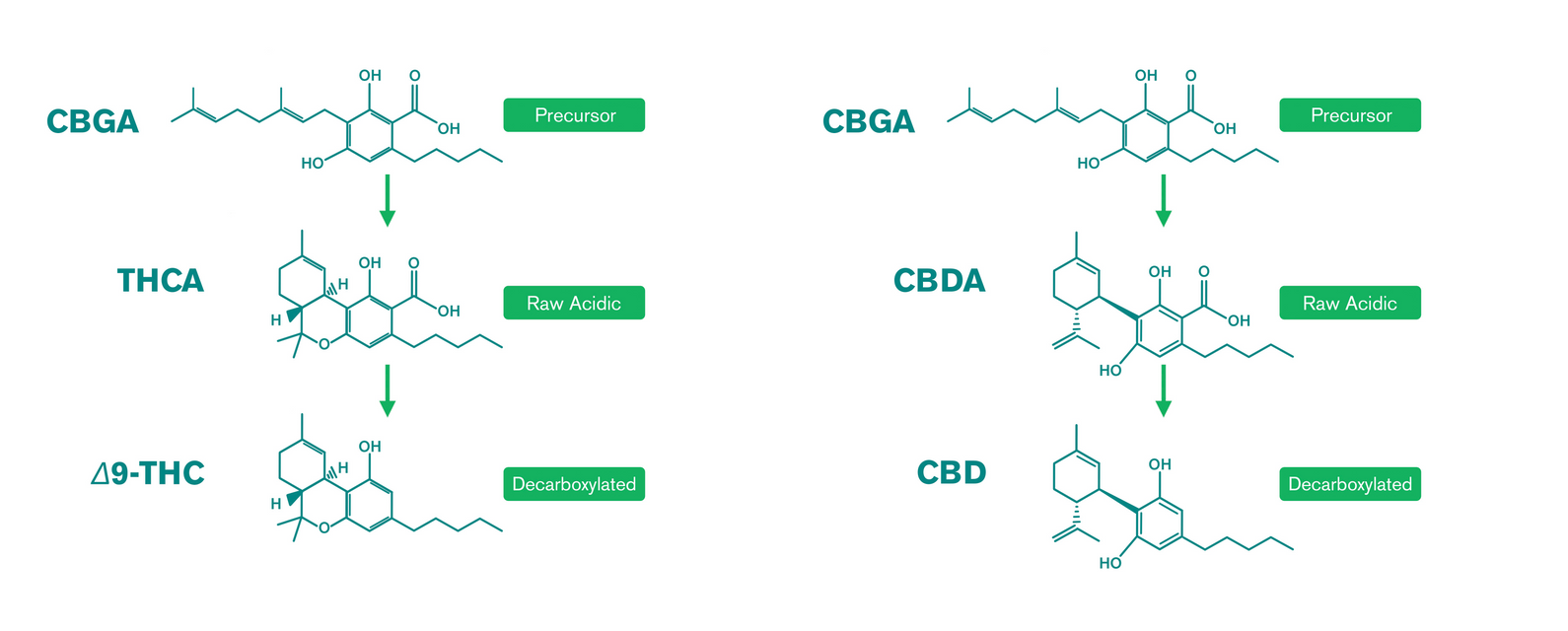
In the plant, CBD and THC typically originate from a shared precursor: CBGA. Enzymes in the plant convert CBGA into acidic “raw” forms like THCA and CBDA. Through decarboxylation—exposure to heat, light, or time—these acidic forms convert into their neutral counterparts (THC and CBD). This is why processing and preparation can change the final cannabinoid profile.
Hemp is a category of cannabis cultivated to stay under a legal THC threshold (commonly defined as below 0.3% Δ9-THC on a dry-weight basis in the U.S.). Farmers often select genetics and cultivation strategies intended to support higher CBD output, reflecting demand for hemp-derived cannabinoid products.